MAIM Lab
Mechatronics and Artificial Intelligence in Medicine
Bringing intelligent systems and human-centred design together to advance the way we monitor, understand and care for people.
Bangladesh
About the lab
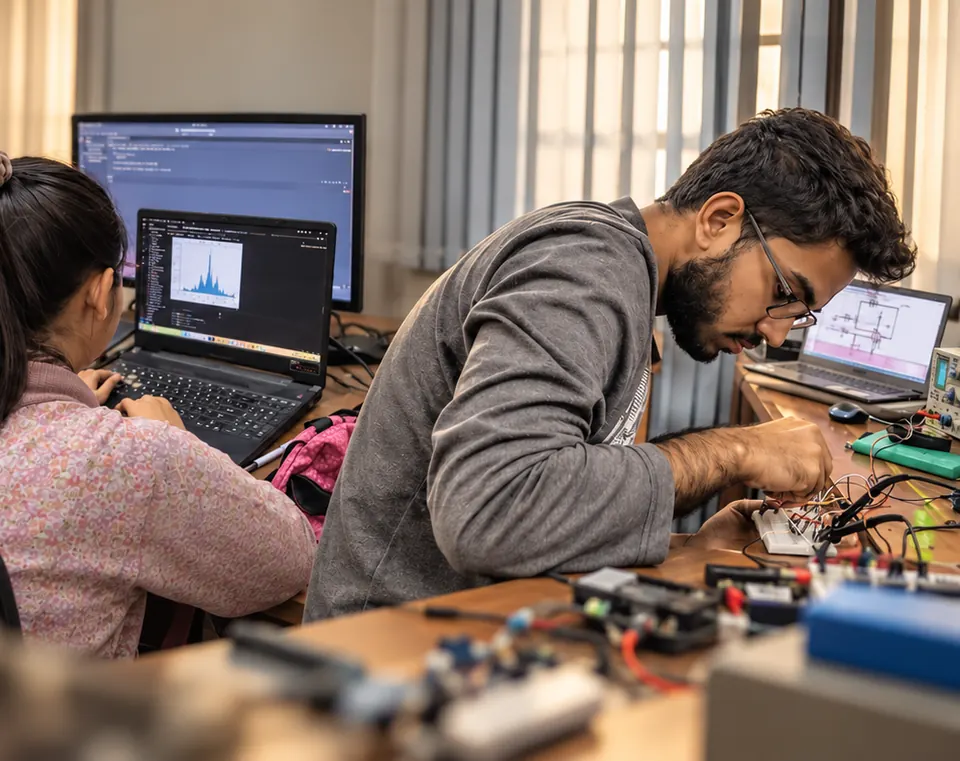
Established in 2023 at the University of Dhaka, the Mechatronics and Artificial Intelligence in Medicine Lab brings together expertise in hardware, intelligent algorithms and medical technologies.
From non-invasive wearable devices to assistive technologies and diagnostic tools, our research connects thoughtful engineering with real healthcare challenges.
Discover our work ↗Research highlights
Flexipede: A Bio-Inspired, Modular Myriapod Robot for Rough-Terrain Traversal
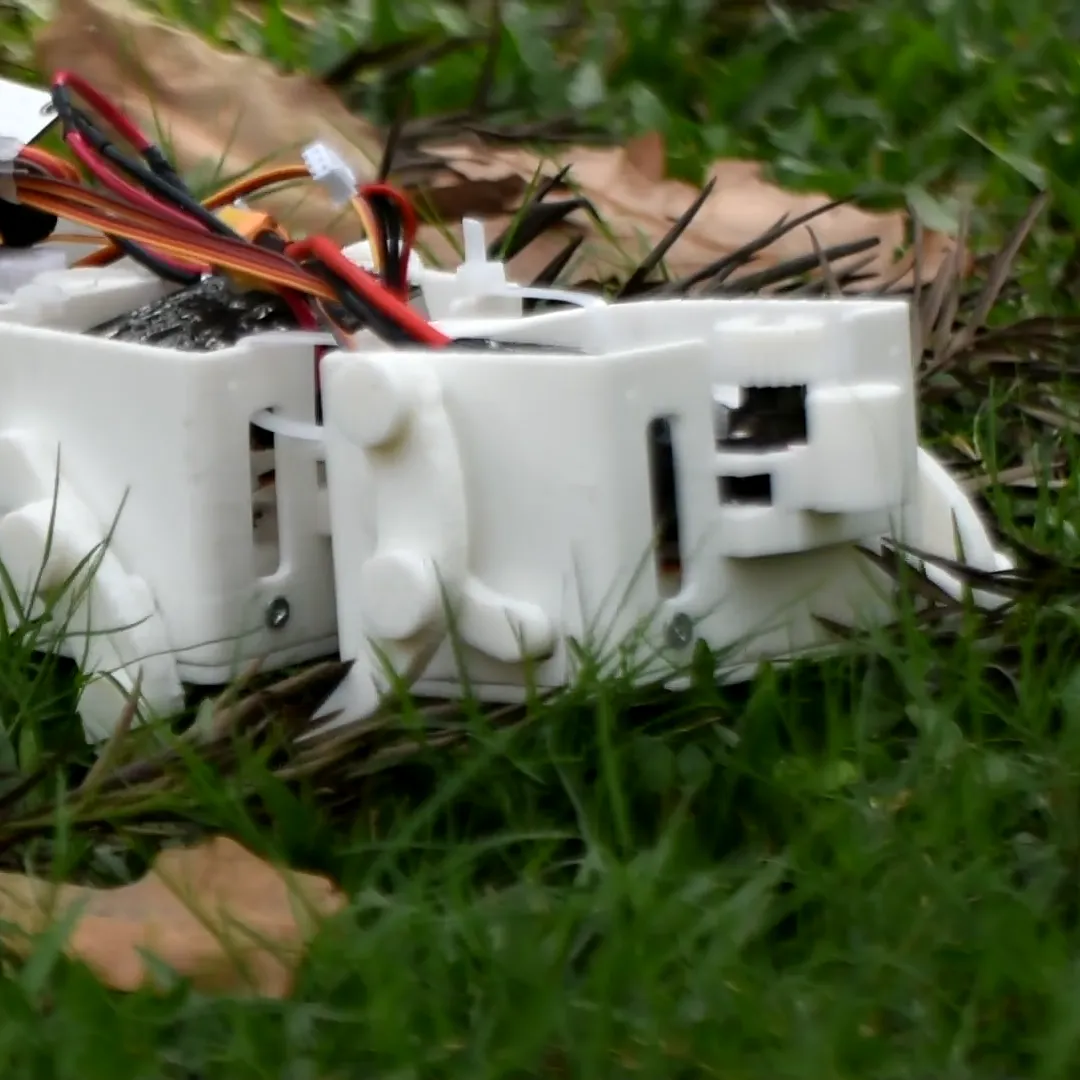
The Flexipede/Decipede is a bio-inspired, modular myriapod robot designed for scalable and resilient traversal across rough terrains, targeting demanding applications like search-and-rescue and planetary exploration. To overcome the control complexity, weight, and high costs typically associated with existing multipedal robots, Flexipede utilizes a highly efficient single-actuator bipedal mechanism per module, enabling the easy addition or removal of individual segments. Adjacent modules are linked via custom active-yaw connectors for coordinated steering and maneuverability. Built with 3D-printable parts and off-the-shelf components, the system is highly cost-effective, costing approximately $58 for the initial primary module and $10 for each additional unit. Researchers tested configurations ranging from one to six modules, ultimately identifying the four-module setup as optimal for reliably navigating diverse, non-level environments. The robot demonstrated robust locomotive performance, achieving peak speeds of 9.14 cm/s on flat terrain and successfully clearing obstacles up to 32 mm high. Furthermore, it maintained impressive energy efficiency for its scale, recording an average Cost of Transport (CoT) of 17.91 on rough terrain. Ultimately, Flexipede provides a highly adaptable, low-cost platform that relies on mechanical intelligence to navigate irregular geometries without requiring complex active sensing or coordination strategies.
A Multimodal Wearable Headband for Eye Blink and Head Movement Gesture Recognition
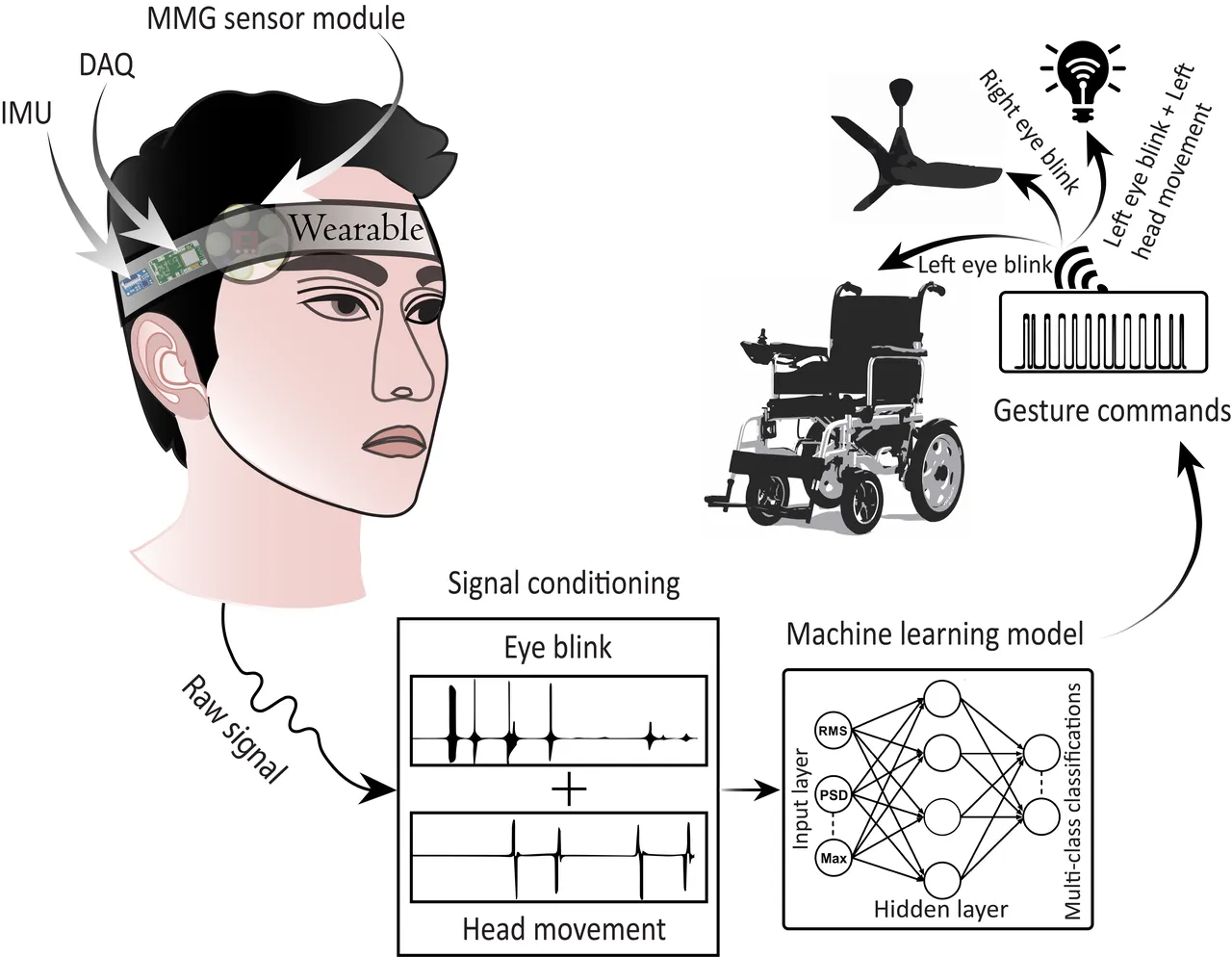
For individuals with severe neuromuscular conditions such as ALS or Locked-In Syndrome, voluntary eye movements often serve as the final means of communication. Existing eye-blink detection systems based on electrooculography and computer vision, however, remain limited in portability, robustness, and user comfort. To overcome these issues, we introduce a non-invasive, multimodal wearable headband that uses mechanomyography (MMG) and inertial sensing to recognize hybrid eye-blink and head-movement gestures. The headband integrates a custom MMG sensor module, an inertial measurement unit, and an embedded data acquisition system. MMG signal fidelity is enhanced through an empirically tuned analog front end and a custom EVA polymer membrane at the sensor–skin interface, improving mechanical coupling and increasing mean SNR from 10.04 ± 5.78 dB to 26.85 ± 6.51 dB (p < 0.0001). Data from 15 participants performing 14 ocular–cephalic gestures were used to train several classifiers. A neural network achieved the best performance, with 93.1% ± 1.6% participant-dependent accuracy and 87.0% ± 5.0% participant-independent accuracy. By reliably recognizing 14 gestures, the system significantly expands the command space of wearable assistive interfaces and provides a robust platform for real-world eye-blink and head-movement–based communication.
Mapping of Mechanomyographic Signals from Arm Muscle Compartments
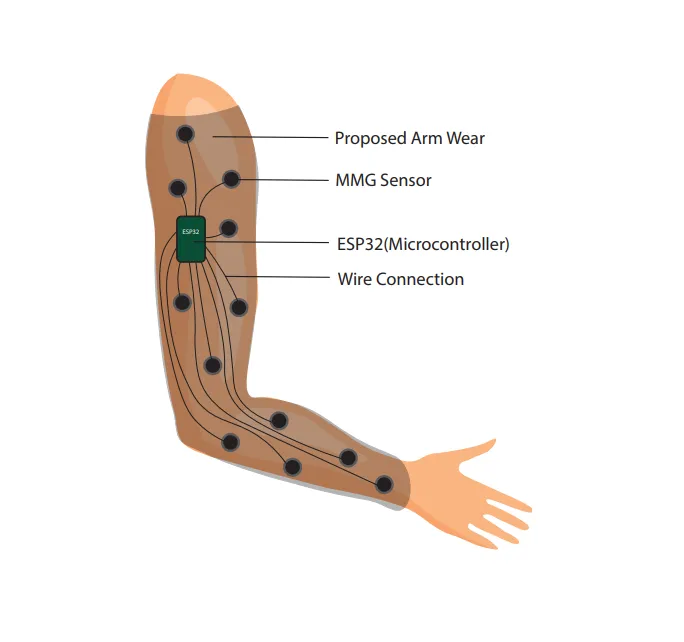
The study aims to detect a relationship between the muscle compartments and their response to the signals. We will map the MMG response of the muscle compartments of the arm and forearm. For some particular gestures, we will evaluate the responses from different muscle compartments, and find out the statistical correlation between gestures and signal responses. We will analyze the correlation between the muscle structure of individual people and their MMG signal response. This research will play a pivotal role in advancing the field of medical monitoring. This research is being conducted by Saadman Sakib and Maliha Taslima Chowdhury.
News & perspectives
A Leap Forward: MAIM Lab’s Tour of Dublin
06 March 2024
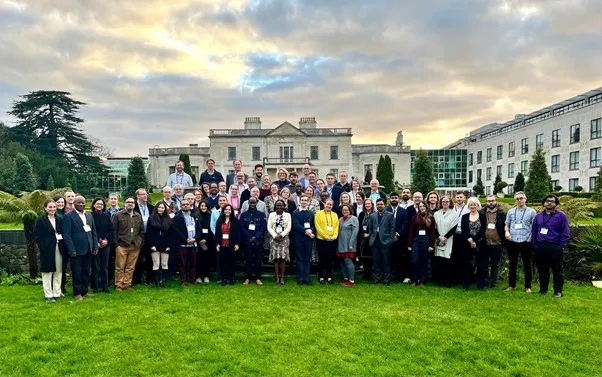
Dublin, Ireland - In a significant step forward, our team, led by Dr. Abhishek Kumar Ghosh, traveled to Dublin, Ireland, to attend the bi-annual PI meeting of the Wellcome Leap In Utero program held on March 4-6, 2024.
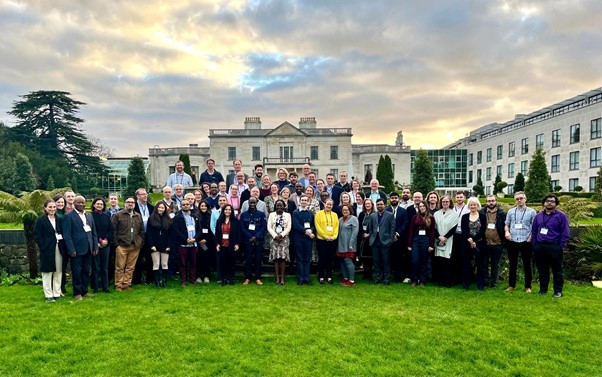
All the participants of the Wellcome In Utero PI meeting at Radisson Blu St. Helen’s, Dublin, Ireland.
Our research team led by Dr. Abhishek Kumar Ghosh, recently participated in the Wellcome Leap In Utero program PI meeting in Dublin, Ireland. The event brought together researchers, project directors, and collaborators from around the world to share progress updates and insights into their ongoing Wellcome Leap In Utero projects.
Wellcome Leap is a prestigious funding organization and a global network dedicated to accelerating breakthroughs in human health. It has funded over 100 organizations on 6 continents, representing more than 1,000,000 researchers and engineers. It is the largest, most rapidly 'activatable' research network in the world. Wellcome Leap’s In Utero program is dedicated to the measurement and modeling of gestational development. The goal is to create the scalable capacity to measure, model, and predict gestational development, with sufficient accuracy to reduce stillbirth rates by half, without increasing provider-initiated delivery.
Accompanied by two research assistants, Ahsan Imran and Md. Moniruzzaman Akash, Dr. Abhishek Kumar Ghosh presented our lab at the PI meeting in Dublin. During the meeting, Dr. Ghosh, alongside our esteemed collaborator Dr. Niamh Nowlan, a full professor of Mechanical and Materials Engineering from University College Dublin and the PI of our In Utero project (Translation of a Wearable Fetal Movement Monitor towards Stillbirth Prevention), shed light on critical aspects and recent progress of our work. Specifically, Dr. Ghosh discussed the analysis of the environmental sensitivity of our fetal movement monitoring device, the procedure to ensure proper sensor attachment, and the cloud data integrity of our wearable device. Dr. Nowlan provided valuable insights into the process of obtaining regulatory approval for our medical device, elucidating the regulatory landscape for such innovations. Together, Dr. Ghosh and Dr. Nowlan articulated the overarching vision of the project, outlining key milestones such as the Pilot Clinical Study and the preparatory measures for the Pivotal Trial. Their collaborative effort exemplifies the spirit of partnership and shared dedication to advancing scientific research for the betterment of maternal and fetal health.
Meeting at NovaUCD:
One of the highlights of this trip was the invitation extended by our collaborators at University College Dublin (UCD) to visit their facility and participate in a meeting at the NovaUCD center with the Wellcome Leap officials. During this visit, our team presented progress on algorithm development, and the effects of external noise and belt attachment on the performance of our fetal movement monitor.
The presentations at both Wellcome Leap and NovaUCD were met with great interest, showcasing the significant progress made by the team. These discussions not only provided valuable feedback on the research but also opened doors for future collaboration and potential funding opportunities.
Some candid moments in Dublin:
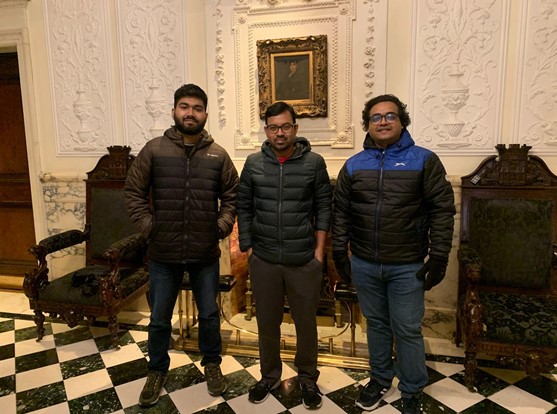
Dr. Ghosh (middle) along with Akash (left) and Imran(right) at the Radisson Blu St. Helen’s Hotel reception
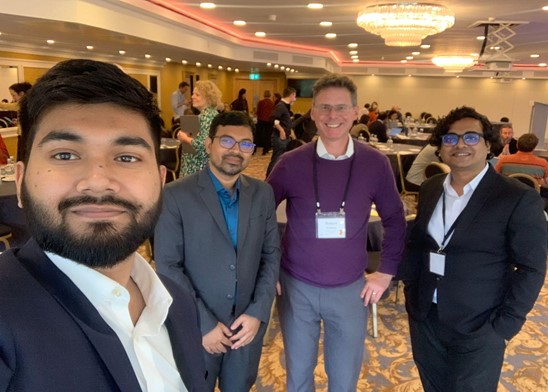
MAIM Lab team with Professor Robert Rohling (second from left) from the University of British Columbia

With Eric Kaldjian (middle), Senior VP of Clinical Research from RareCyte Inc. at Guinness Storehouse, Dublin, Ireland

With Dr. Sheng Xu (right) Associate Professor, Nanoengineering, UC San Diego at Guinness Storehouse
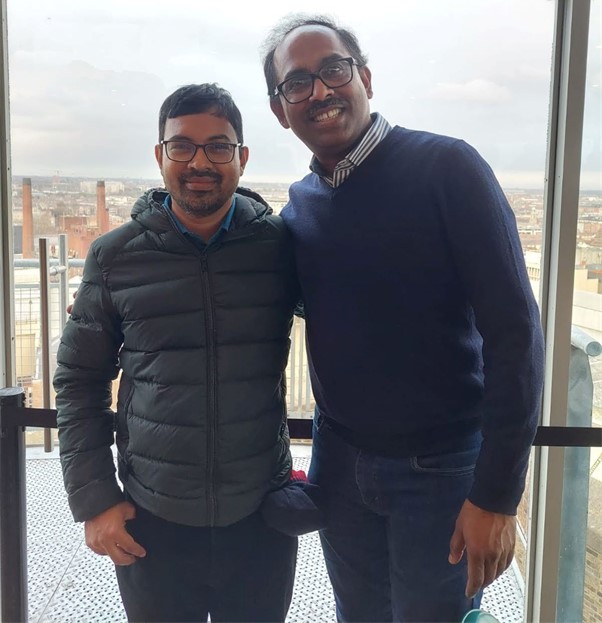
With Dr. Subhabrata Mitra, Assoc. Professor and Honorary, University College London
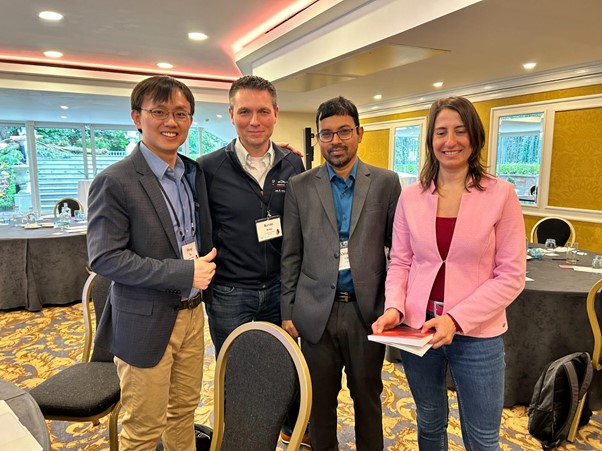
From left to right: Dr. Sheng Xu, Invited Speaker Dr. Kevin King (Associate Professor, Bioengineering, UC San Diego), Dr. Ghosh (Assistant Professor, University of Dhaka), Dr. Antoniya Georgieva (Associate Professor, Data Science & Risk Assessment, University of Oxford)

Dr. Ghosh and his team at Trinity College Dublin
Visit of Imperial Prof Dr. Ravi
01 August 2023
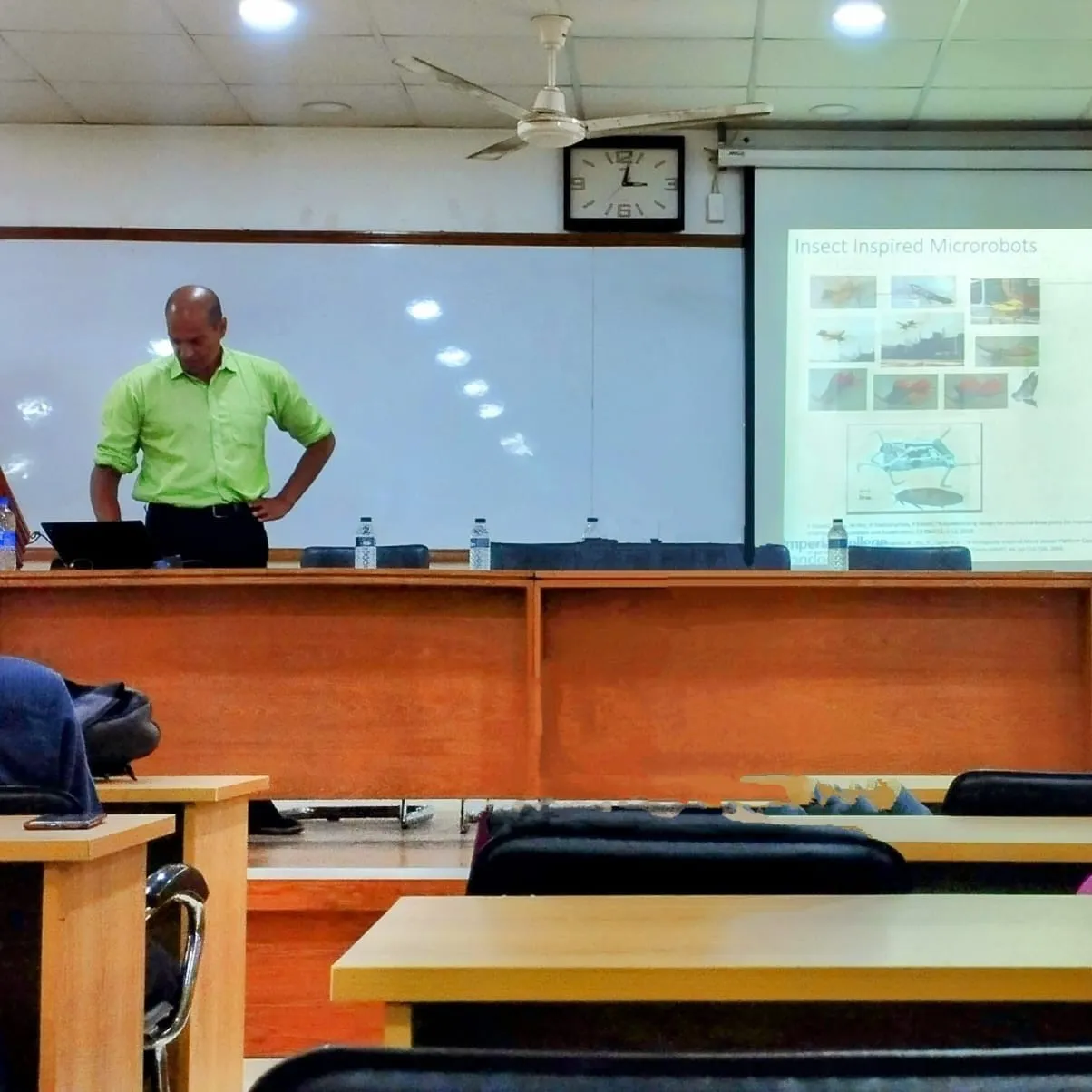
Dr. Ravi Vaidyanathan visits our lab. He shared some insights on ongoing research projects as well as upcoming research opportunities. He also took a seminar and describe his past research with a wonderful presentation.
Reception of Wellcome Leap InUtero Grant for Stillbirth Prevention Research
01 May 2023

Despite recent advances in maternal and prenatal healthcare, progress toward reducing the number of stillbirths is significantly lagging. This can easily be understood from the occurrence of more than two million stillbirths each year globally, leading to unacceptable tragedies for millions of families. Researchers have shown that more than 50 percent of stillbirths are associated with reductions in the movements of babies in the wombs (fetal movements). However, currently, there is no way to monitor fetal movements at home.
A team of engineers and clinicians, including researchers from the Imperial College London, UK, the University College Dublin, Ireland, and the University of Dhaka, Bangladesh, has been awarded a contract as part of Wellcome Leap’s In Utero program to determine how a wearable fetal movement monitor can be used to measure a baby’s health in the womb facilitating the identification of the babies who are at risk of stillbirth. Wellcome Leap is a non-profit organization founded by the Wellcome Trust to accelerate and increase the number of breakthroughs in human health globally. The In Utero program aims to create the scalable capacity to measure, model, and predict gestational development with a primary goal to reduce stillbirth rates by half.
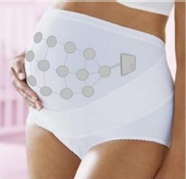
To conduct the collaborative work for this project, a research agreement has recently been signed between University College Dublin, Imperial College London, and the Department of Robotics and Mechatronics Engineering at the University of Dhaka (RMEDU). Abhishek Kumar Ghosh, Assistant Professor at RMEDU, will be leading the research team at the University of Dhaka. Abhishek’s PhD research at Imperial College London has led to the development of the FM monitor that will work as the fundamental technology in this project. Abhishek is thrilled about this achievement and said: ‘’This is a wonderful opportunity for me to translate my doctoral research into a real-world healthcare technology product and contribute to preventing stillbirth. I am extremely optimistic about the prospect of our wearable fetal movement monitor and the funding from Wellcome Leap will enable us to refine the device for large-scale clinical deployment in near future.”
Chairperson of the Department of Robotics and Mechatronics Engineering at the University of Dhaka, Dr. Sejuti Rahman said: “This is undoubtedly a great opportunity for our department to engage with some of the world’s leading educational and research institutions. This will provide opportunities to our researchers and students to participate in state-of-the-art research works, which will help to boost our ongoing effort of expanding high-quality research works at our department.”
For further information, please contact Abhishek Kumar Ghosh at abhishek.rme@du.ac.bd.
Sponsors &
collaborators